Banda Sea National Marine Conservation Area in Maluku Province
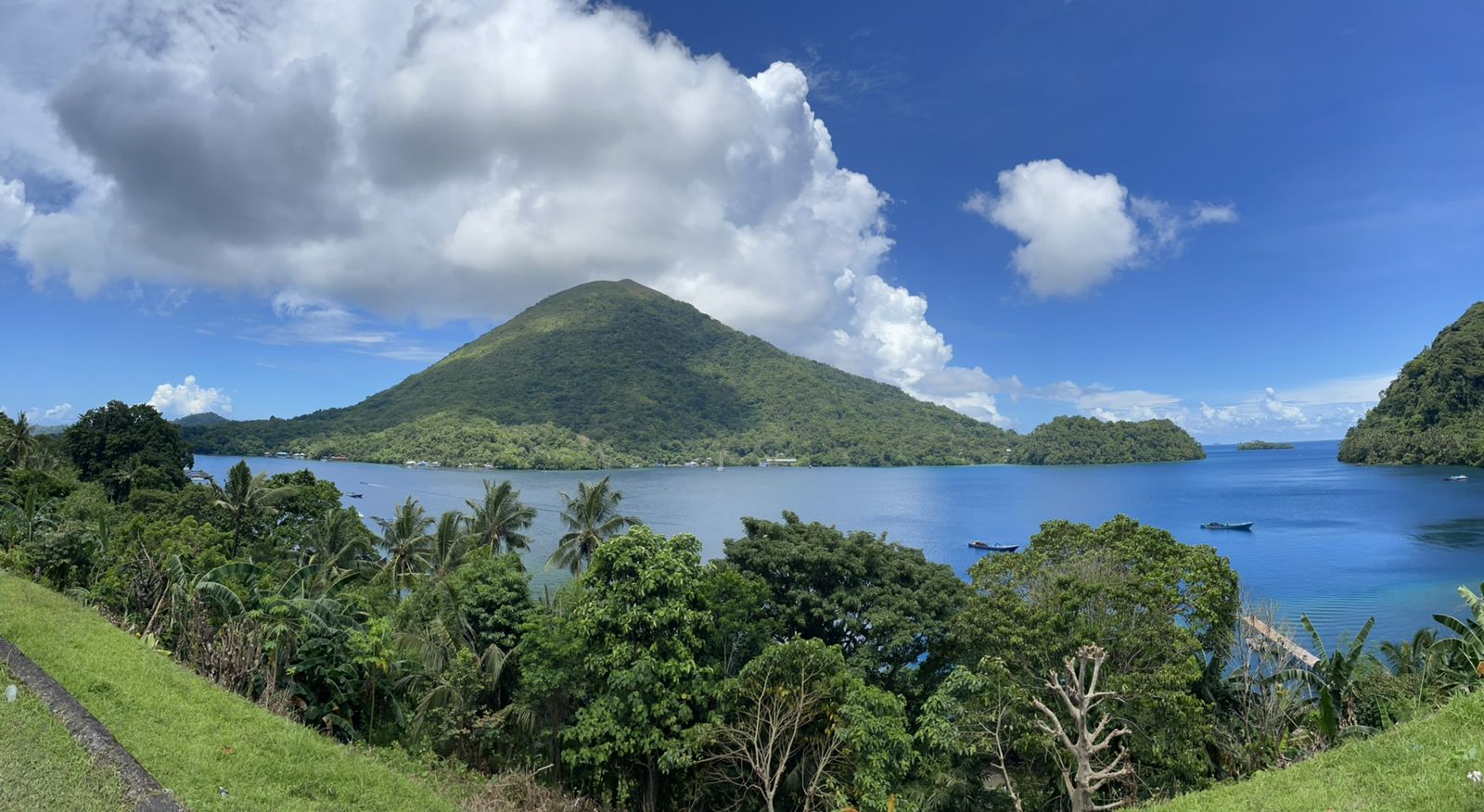
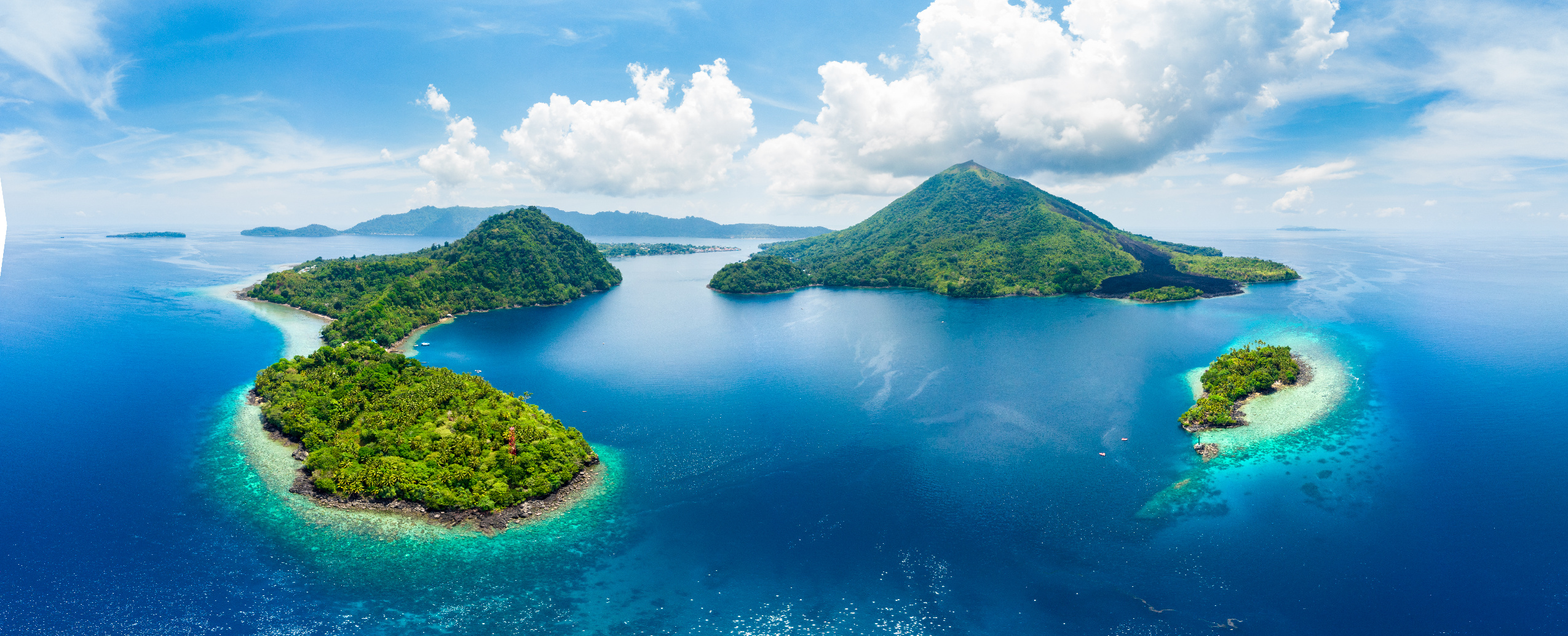
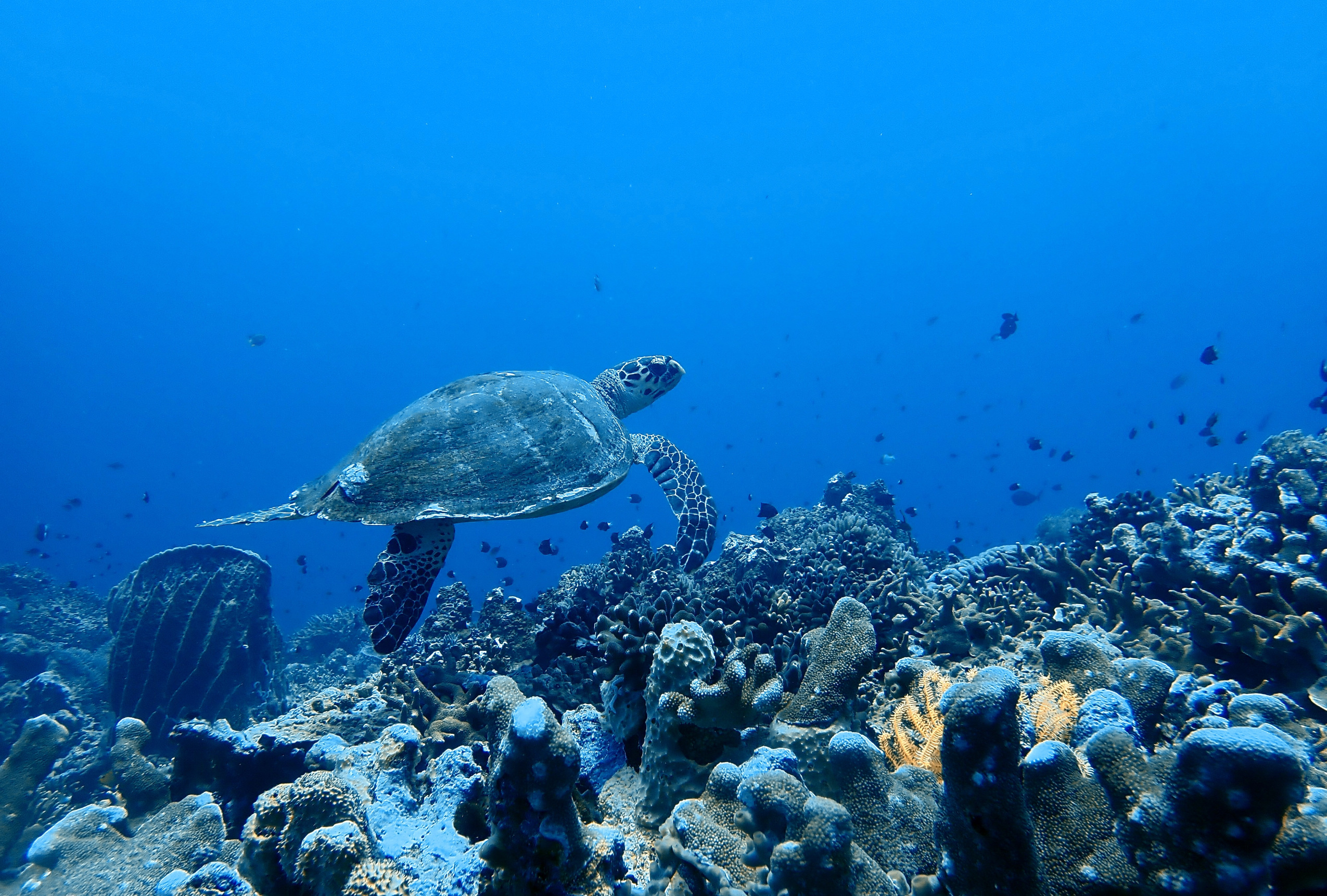
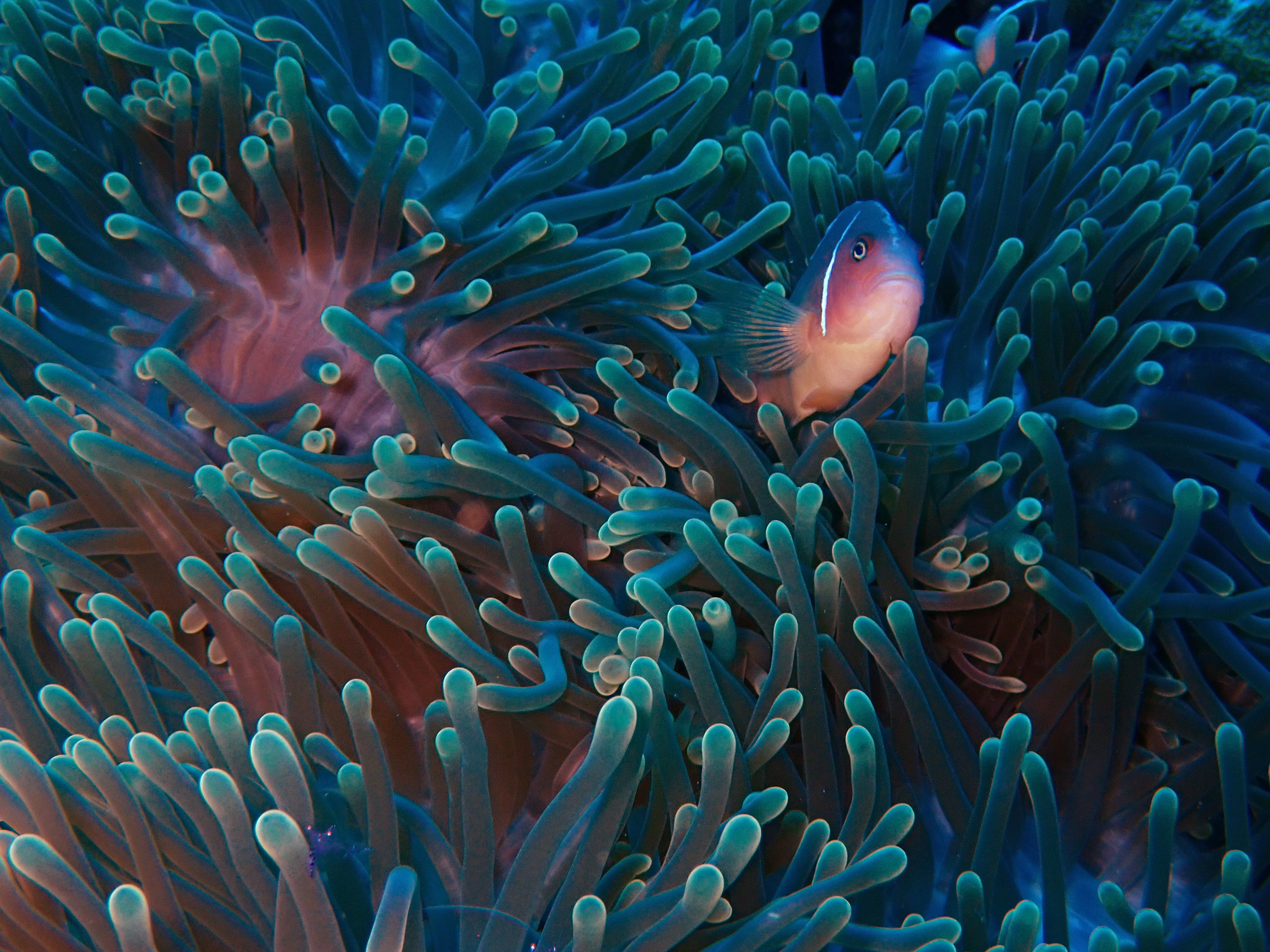
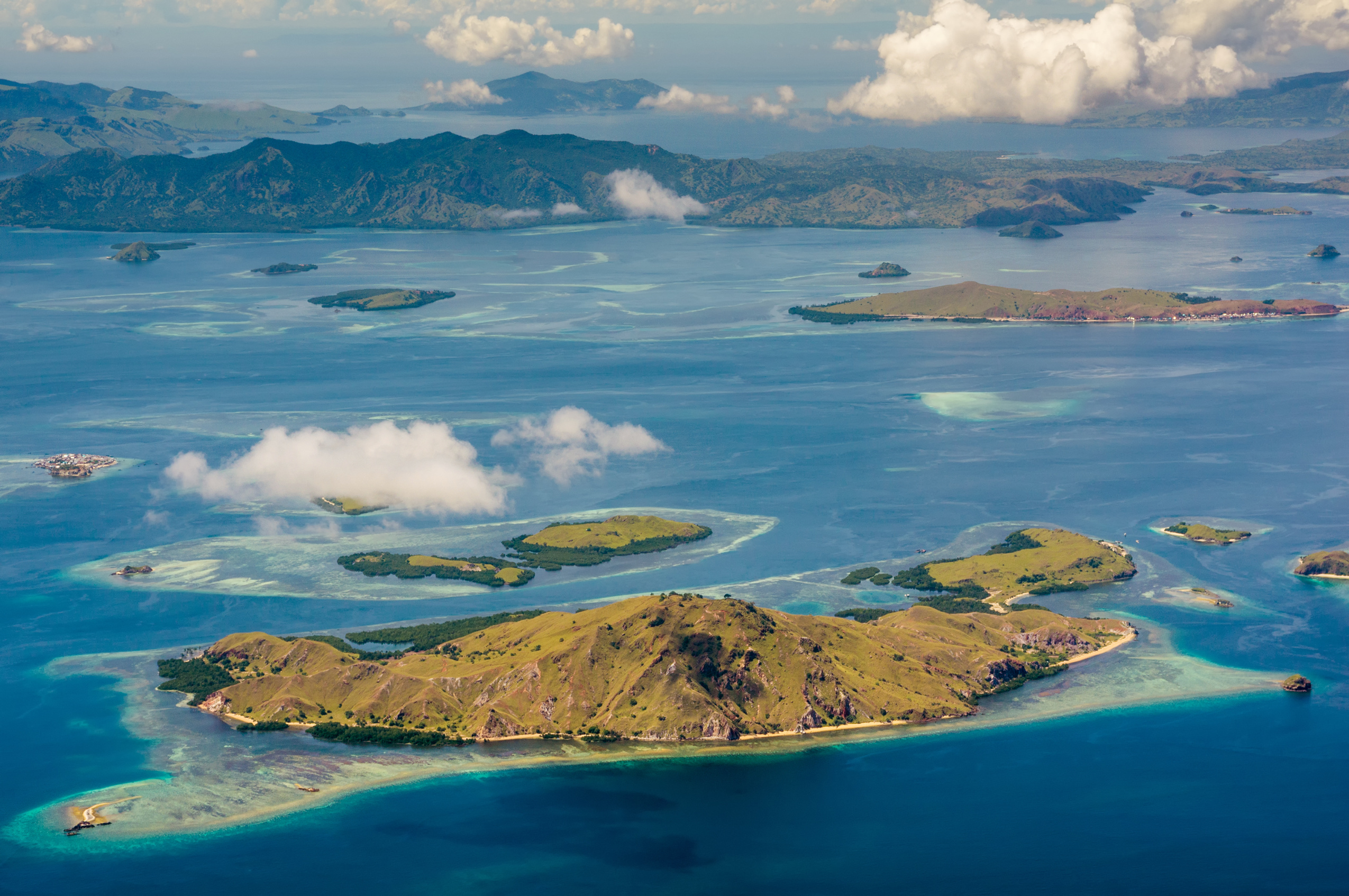
Located in Maluku Province, eastern Indonesia, the Banda Sea and Surrounding Waters Conservation Area is one of the most ecologically significant marine protected areas in Indonesia. Situated at the heart of the Coral Triangle, the global center of marine biodiversity, this conservation area protects a remarkable combination of coral reefs, deep-sea habitats, volcanic islands, and productive pelagic waters that support an extraordinary diversity of marine life.
Details
|
Establishment Date |
September 3, 2009 |
|
Area |
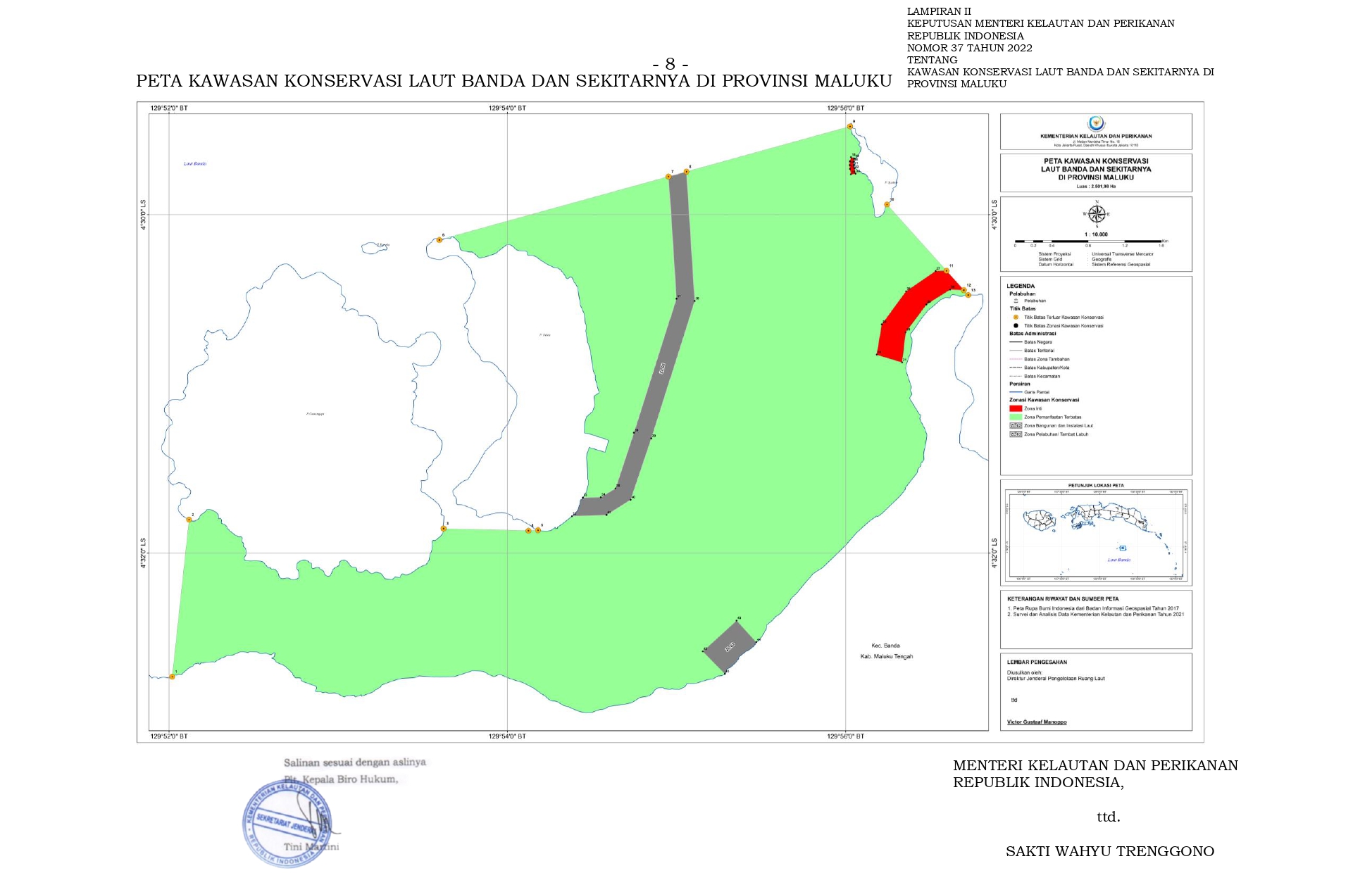
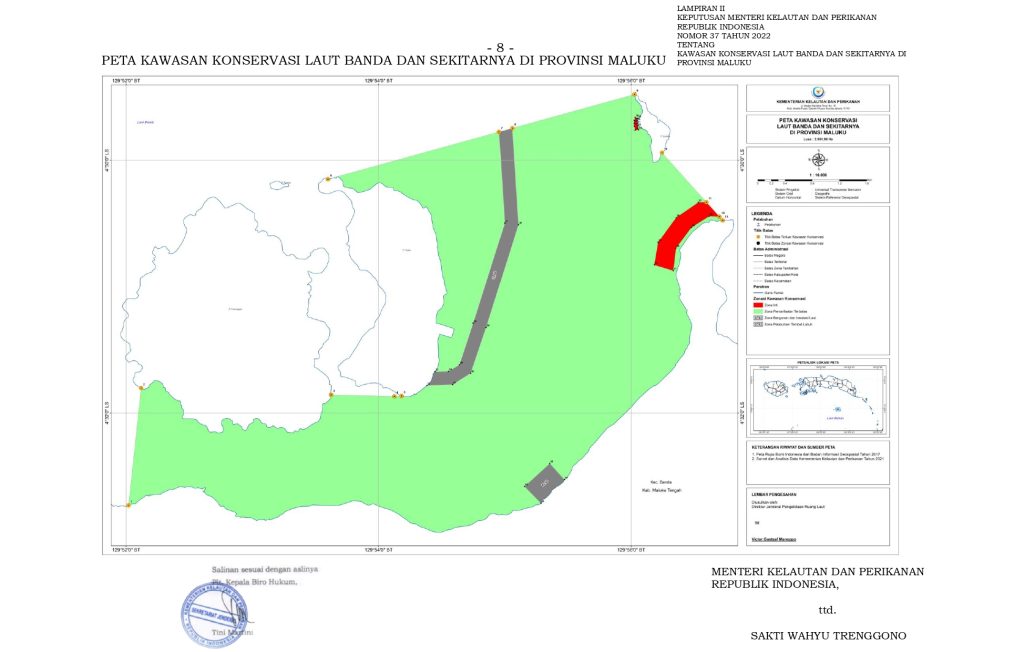
2,501.98 hectares, with a core zone covering 32.33 hectares. |
Zoning Map
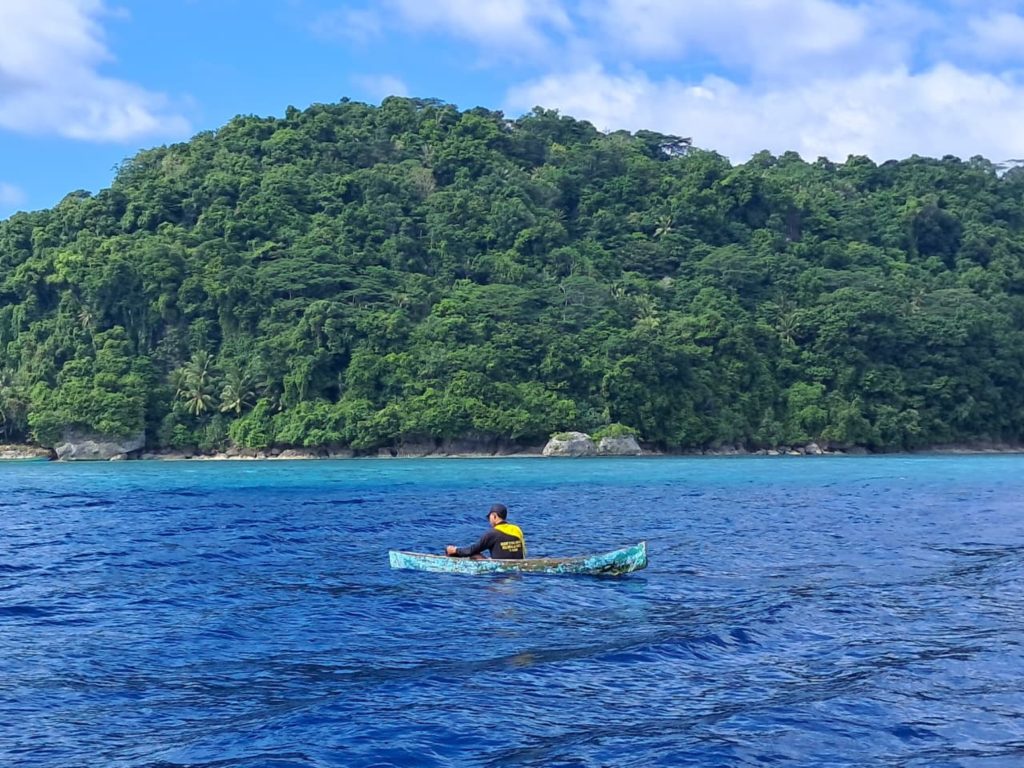
The waters of Banda are shaped by unique oceanographic and tectonic features. Nearby lies the Weber Deep, a forearc basin reaching approximately 7.2 kilometers in depth, making it the deepest point in the world’s oceans that does not occur within an oceanic trench. Together with the area’s steep underwater topography and strong ocean currents, these conditions create seasonal upwelling that brings cool, nutrient-rich water to the surface. This natural process sustains highly productive marine ecosystems, strengthens coral reef resilience, and supports fisheries that local communities have depended on for generations.
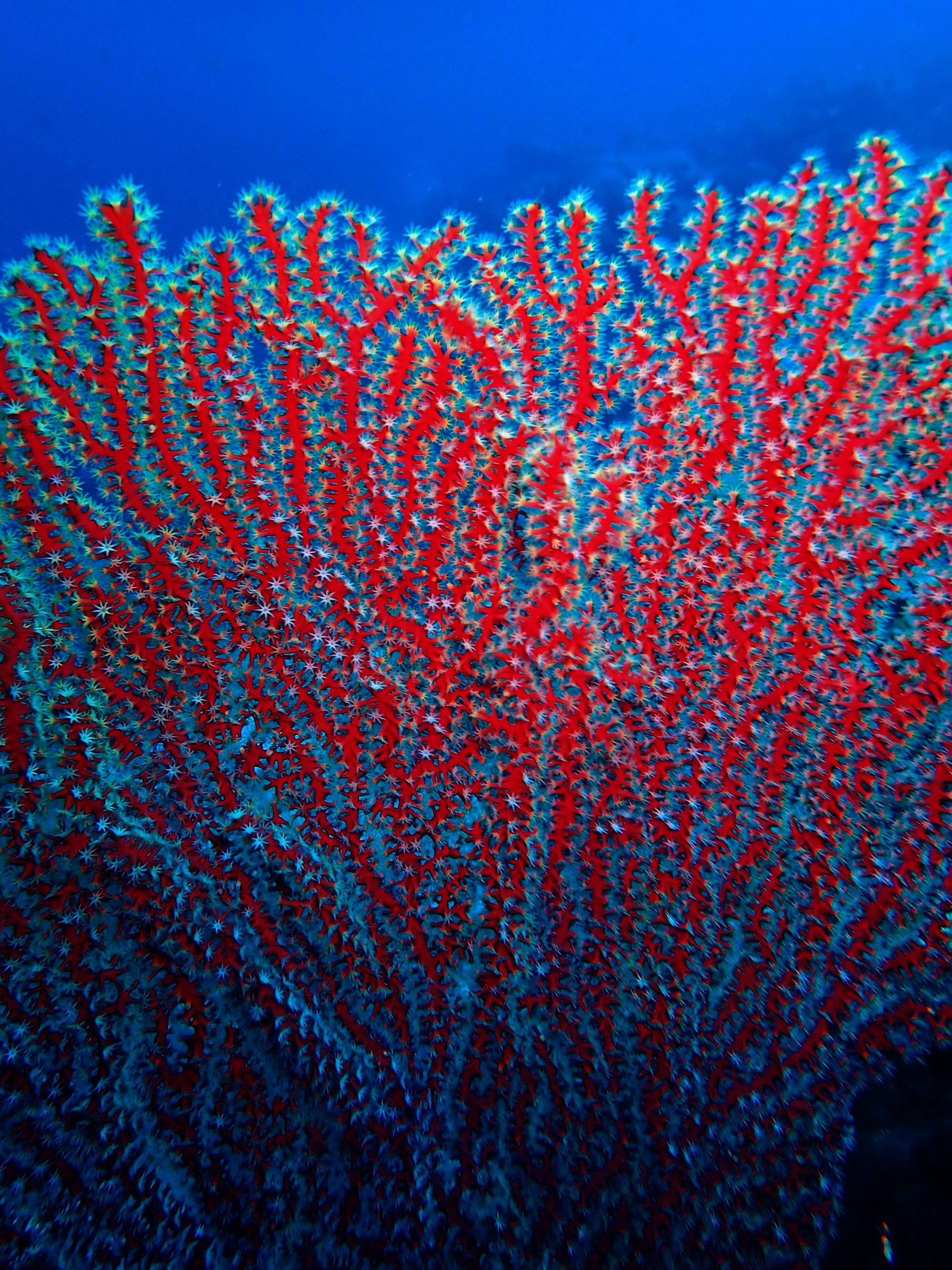
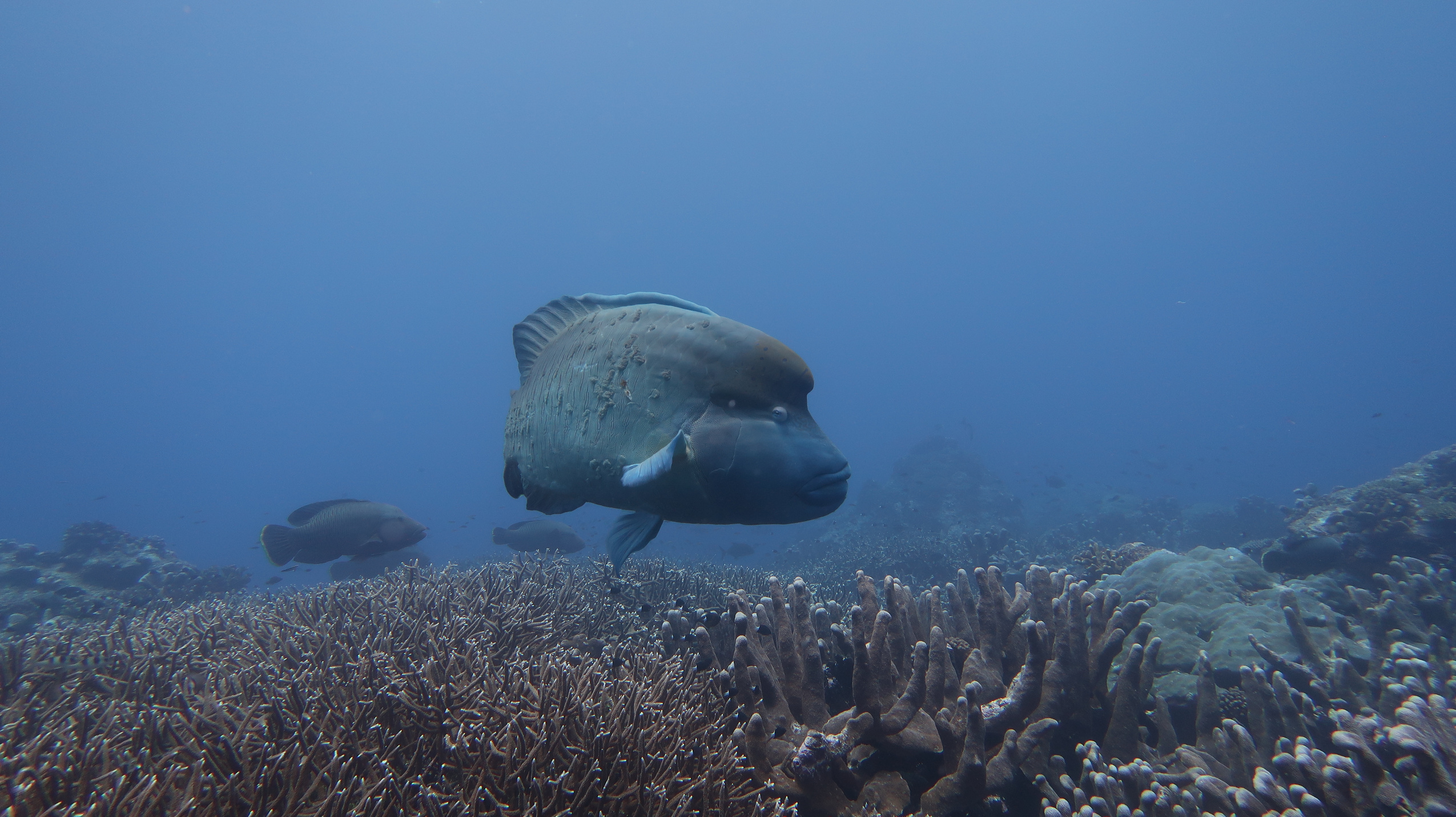
The Banda Sea and Surrounding Waters Conservation Area is recognized as one of the richest marine biodiversity hotspots in the Asia-Pacific region. Scientific surveys have recorded 397 species of hard corals, including the endemic Acropora desalwii, and 739 species of reef fish. The conservation area is home to rare and iconic species such as the Napoleon wrasse, colorful mandarin fish, and yellowfin tuna, while several reef areas serve as important spawning grounds for groupers, snappers, and other commercially valuable fish.
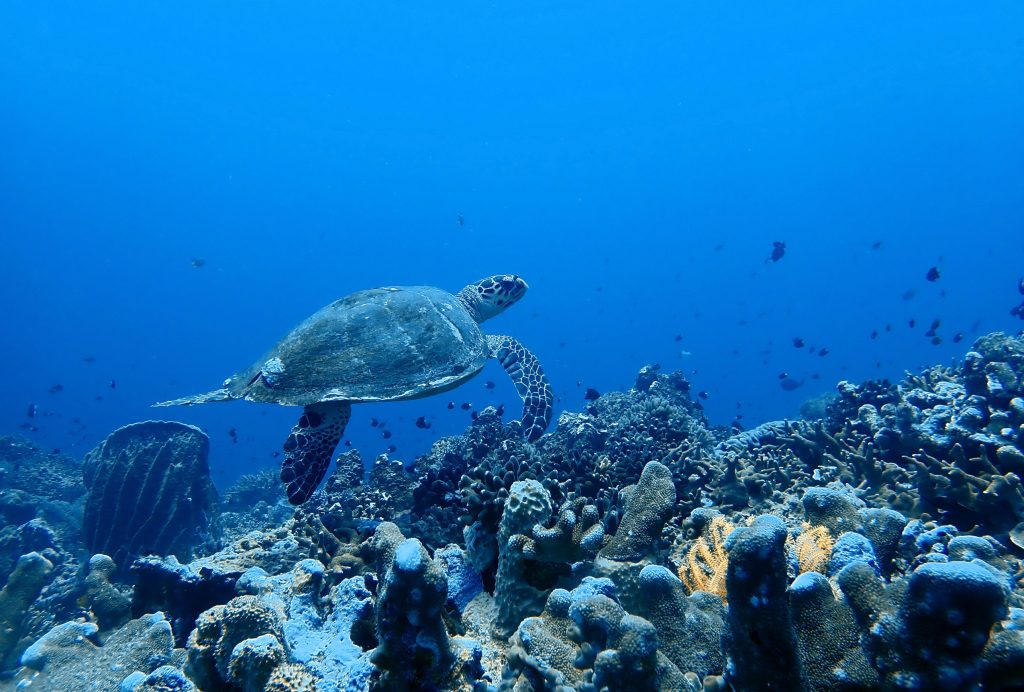
The rapid recovery of coral communities following the 1988 eruption of Gunung Api has also made Banda an internationally recognized example of reef resilience.The area also provides critical habitat for marine megafauna. Various species of marine mammals have been recorded in Banda’s waters, including blue whales and sperm whales, which migrate through the area to feed, breed, and socialize. Between September and November, schools of hammerhead sharks can be seasonally observed, underscoring the importance of the conservation area for highly migratory species.
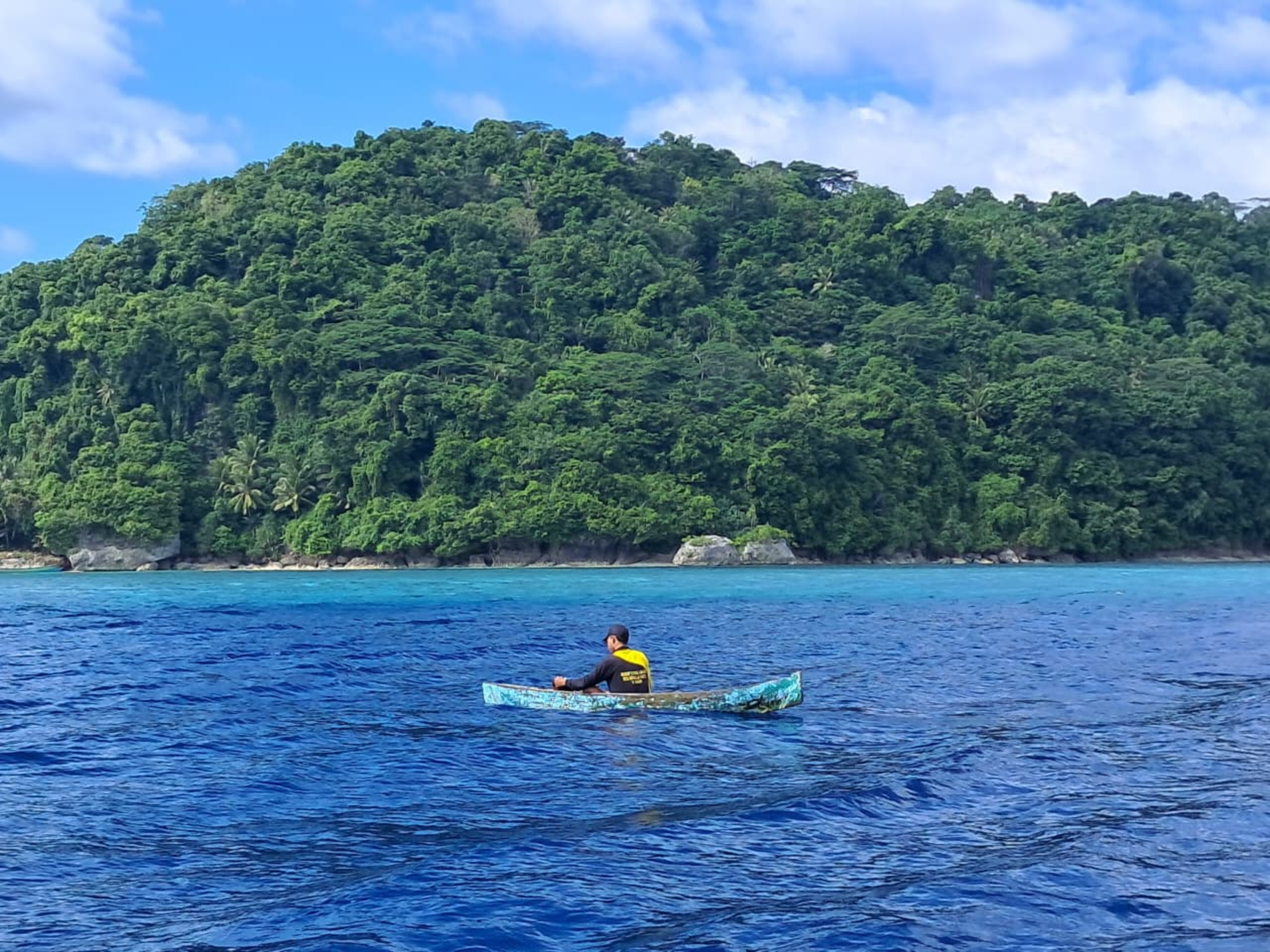
Beyond its ecological value, the Banda Sea Conservation Area is deeply connected to the cultural and historical identity of the Banda Islands. Once the world’s center of the spice trade, the archipelago attracted merchants from across Asia, the Middle East, and Europe for centuries. This rich cultural heritage, combined with its spectacular marine environment, creates opportunities to develop sustainable, community-based marine tourism that supports both conservation and local livelihoods.
Marine conservation in Banda has a long history. The area’s first marine protected area was established in 1977, with management transferred to Indonesia’s Ministry of Marine Affairs and Fisheries in 2009. Today, the Banda Sea Conservation Area is managed through collaboration among national and provincial governments, local communities, non-governmental organizations, and conservation partners. This collaborative model helps protect biodiversity while supporting fisheries, tourism, and the wellbeing of coastal communities. The management and zoning of the Banda Sea Conservation Area are guided by Indonesia’s official Management and Zoning Plan (2022–2042).
Like many marine ecosystems, the Banda Sea Conservation Area faces ongoing challenges, including overfishing, destructive fishing practices, coral extraction, marine debris, and increasing tourism pressure. Continued conservation efforts focus on strengthening community participation, protecting critical habitats, improving waste management, monitoring marine biodiversity, and ensuring that the benefits of conservation are shared fairly among local communities.
Through these efforts, the Banda Sea Conservation Area continues to demonstrate how marine biodiversity conservation, cultural heritage, and sustainable livelihoods can be advanced together for future generations.